Reflections
As part of the Vanderbilt Kennedy Center's 50th anniversary celebration, families, researchers, staff, trainees, and others shared their reflections. View a sample below, and select "more" to view additional comments.
| A reflection from a family |
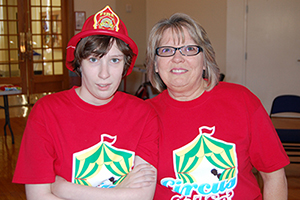 | I’ve been able to see my daughter Morgan and other young adults with disabilities achieve new goals, helping them find their purpose. VKC believes in our children’s abilities, and they are always seeking new ways to raise that bar of belief in our community. Tammy Vice - Parent See More... |
| A reflection from a professional |
| [The VKC] is an absolutely amazing place to work, but more importantly, people here truly help to change lives for the better. I’ve worked here in some capacity since I graduated from the Master’s of Special Education program in 2007, and I cannot think of a better place to refer families who have a loved one with a disability. In my own work, we are helping high school students with autism and their families prepare for the transition from high school, and we are also helping faith communities as they support people with disabilities to find and hold employment. Jenny Gustafson - Special Education Alumna and VKC Disability Professional See More... |
| A reflection from a researcher |
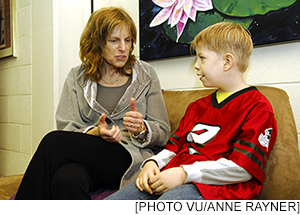 | My father was a psychiatrist, and as a young child, I spent Saturdays at his clinic and so was accustomed to being with people with disabilities. Later, we lived on the grounds of a state mental health hospital, where I had many friends with different types of developmental and psychiatric difficulties. I wanted to better understand their lives and stories. At the Yale Child Study Center, my experiences with children with fragile X syndrome started me on the path of looking at other genetic syndromes, since they offer unique windows for understanding the connections among genes, brain, and behavior, as well as specific ways to optimize interventions with individuals and families. My husband and I moved to Vanderbilt because we wanted to be part of a community of researchers and others dedicated to understanding people with developmental disabilities on a number of different levels—genetics, brain science, treatments, supporting families, public policy, and advocacy. The VKC embodied all of that in one place. Elisabeth Dykens, Ph.D. - Psychology, Psychiatry, and Pediatrics See More... |
| A reflection from a trainee |
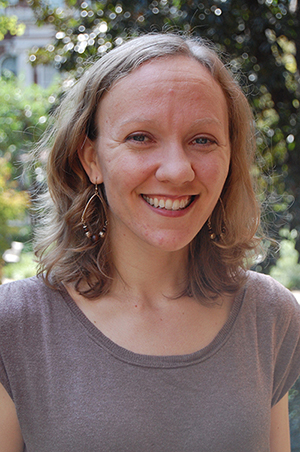 | As a Postdoctoral Fellow, I was a trainee with LEND (Leadership Education in Neurodevelopmental and Related Disabilities]. This experience was invaluable to my current work as a clinical psychologist who specializes in diagnosing very young children with autism. My LEND training enhanced my abilities to understand families’ perspectives, to collaborate across disciplines, and to maintain cultural competence, all of which helps me provide better care to children and parents at a very difficult moment in their lives. Amy Weitlauf - VKC Member and Former LEND Trainee See More... |
Submit your reflection here